It wasn’t that long ago New York achieved national prominence for its ambitious renewable energy push. But with NYSERDA’s recent release of its draft energy plan state officials are openly acknowledging that New York will fail to meet the clean energy targets mandated by the Climate Leadership and Community Protection Act of 2018. The state climate law stipulates that 70% of the energy produced in New York should be zero-emissions by 2030.
The plan recognizes the need for more renewable energy and greenhouse gas emissions reductions. To say the least, however, it sends a disappointing message by calling for continued reliance on fossil fuels as well as new investments in new natural gas pipelines and the repowering of fossil fuel plants.
The plan also concludes that New York’s goal of reaching a 40% reduction in emissions from 1990s levels by 2030 is probably not achievable. So far the state has only reduced its emissions by 10% with just five years to go.
Not surprisingly, the plan blames some of the state’s failures on the increasingly aggressive opposition to renewable energy by the Trump administration, but as environmental activists point out, the state was already behind before these attacks.
To its credit, the plan calls for accelerating the deployment of energy efficiency measures such as home weatherization and power-saving appliances. According to its projections, up to 25% of homes by 2040 will have heat pumps and over half the cars could be zero-emission vehicles.
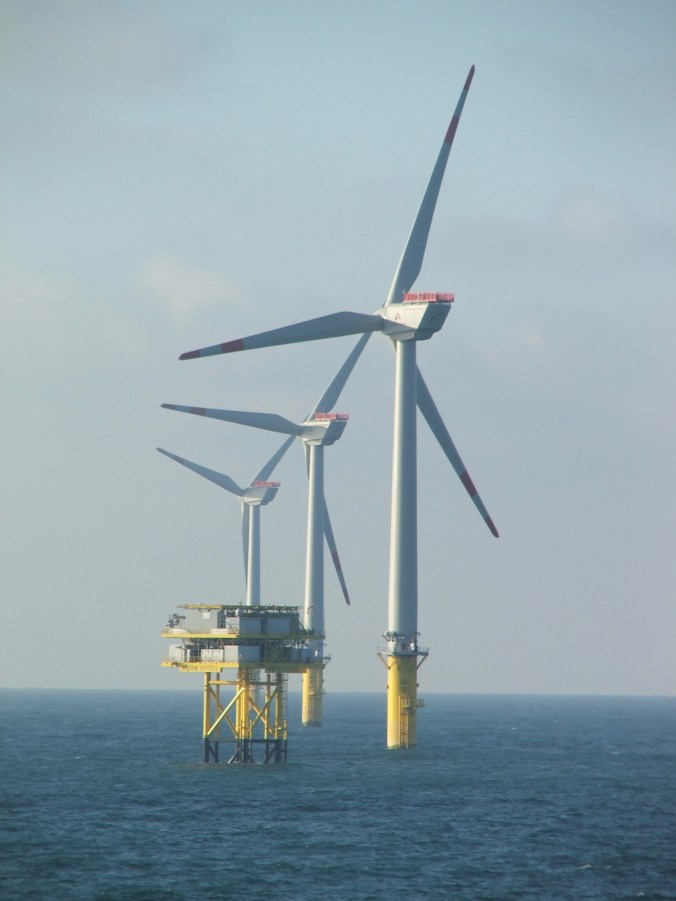
The plan also seeks to increase solar power and battery storage, and notes that New York could increase its renewable electricity generation by 80% over the next 10 years. Of course, the Trump administration’s irrational effort to pull the plug on offshore wind casts a shadow over this possibility.
With the right kind of strong, visionary leadership, New York could accelerate its adoption of solar energy, battery storage, and geothermal energy while retiring its fossil fuel system and electrifying transportation and buildings. The key problem clearly lies with Gov. Kathy Hochul’s reluctance to meet the moment and provide such leadership.
Thousands of comments have been submitted by the public focusing on the flaws in the draft energy plan and its lack of commitment to the CLCPA. Later this year, the state will publish a final plan. Let’s hope it responds to these comments, keeping New York on the path to a renewable energy future.

 Rebooting the Future