It’s an understatement to say that 2025 was not a good year for renewable energy and climate change policy in New York. The state experienced significant policy uncertainty this past year in these two areas, to put it kindly.
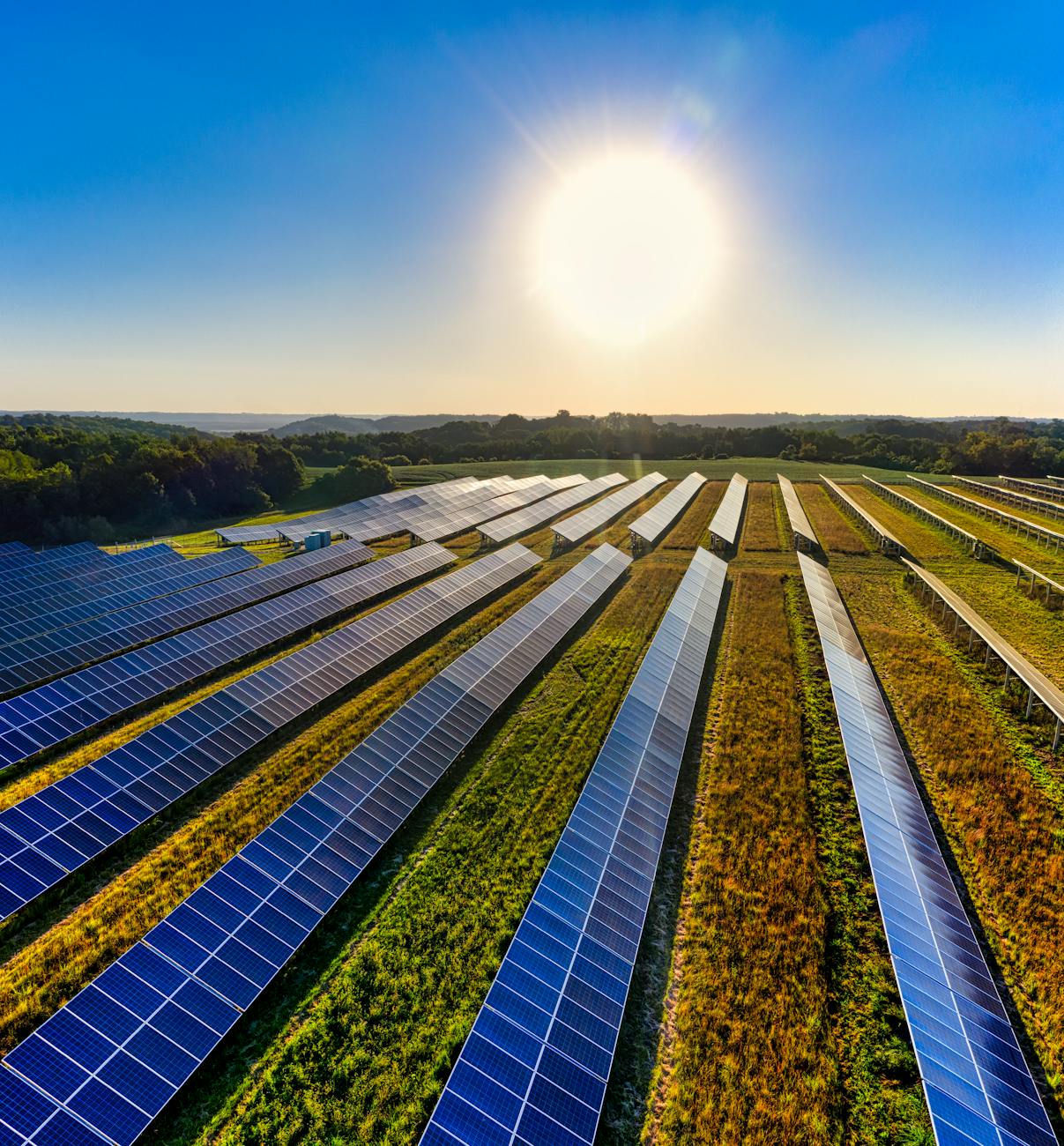
Certainly, New York continued to invest in renewable energy infrastructure and climate adaptation strategies. The execution in May of 26 large-scale land-based renewable energy contracts that will generate more than 2.5 GW of clean capacity, underscored the Hochul administration’s ongoing commitment to renewable energy deployment.
In addition, the state has backed major green initiatives such as a broader Sustainable Future Program that allocates $1 billion to expand energy efficiency, decarbonization of buildings, and thermal energy networks, investments intended to reduce emissions while making the energy transition more affordable.
Yet these achievements were overshadowed in 2025 by growing concerns about policy direction and ambition.
The Hochul Administration Pullback
The Hochul administration faced strong criticism in 2025 from climate advocates for its pullback in the implementing climate policy. The state’s contentious handling of the proposed Cap-and-Invest program — an economywide carbon pricing system designed to generate revenue for climate initiatives while creating enforceable emissions caps — attracted much of this criticism. Although the program was expected to be finalized in 2025, Gov. Hochul spent much of the year putting in roadblocks that hindered its implementation.
Delays and administrative resistance in rolling out greenhouse gas emission regulations required by the CLCPA, including sections of the cap-and-invest framework, has generated much consternation. State agency decisions such as allowing previously denied permits for natural gas infrastructure have signaled a shift toward accommodating traditional energy interests at the expense of stricter climate enforcement. This will undoubtedly slow progress toward legally mandated emissions targets.
The administration has justified such a cautious approach as necessary to balance climate ambition with affordability, a framing that weighs public concerns over energy costs against the urgency of decarbonization. Nonetheless, environmental groups argue that these pullbacks risk New York falling short of statutory reductions and undermine the leadership role the state had positioned for itself. Critics also contend that reduced emphasis on building public renewables may forgo lower-cost clean energy and job opportunities.
Trump’s Energy and Climate Actions
Federal policy further complicated New York’s energy and climate trajectory in 2025. During President Trump’s second term, there has been a pronounced rollback of federal climate policies and a rush toward fossil fuel development. Key actions include withdrawal from the Paris Agreement, deregulatory measures at the Environmental Protection Agency (EPA) to dismantle numerous environmental protections, and administrative opposition to renewable energy projects.
Most consequential for New York has been federal interference with offshore wind development. Earlier this month, the Trump administration paused leases for multiple East Coast offshore wind farms, including Empire Wind and Sunrise Wind, citing national security concerns, a move that directly threatened New York’s offshore wind ambitions.
Other federal actions such as the elimination of clean energy tax incentives and cancellation of billions in funding for clean energy projects undermined the economic viability of deploying renewables at scale, particularly in states like New York that count on these incentives to attract investment. Alongside rollbacks of vehicle emission standards and other emissions safeguards, these federal shifts have seriously constrained the state’s ability to achieve its climate goals, creating regulatory conflict between state and federal priorities.
Repercussions for the City of Ithaca
All of these developments in 2025 have had significant repercussions for the City of Ithaca and its pursuit of ambitious climate objectives, including transitioning municipal operations to carbon neutrality, promoting electrification of buildings, and expanding local renewable generation.
State-level uncertainties have had tangible consequences for Ithaca’s energy planning. Delays or weakening of statewide carbon pricing mechanisms and the cap-and-invest program have reduced predictable funding streams that cities could use to support local renewable projects, efficiency upgrades, and climate resilience measures. Furthermore, the state’s delay in the implementation of the All-Electric Buildings Act has led to a delay in the city’s implementation of its net-zero building code.
Federal setbacks in wind and clean energy incentives also make capitalizing on larger-scale renewables more challenging, potentially delaying projects that could benefit local businesses and residents.
The combined effect of state policy reticence and federal rollbacks necessitates that Ithaca double down on local planning, community engagement, and the tapping of non-federal funding sources to meet its climate objectives. As a result, to say the least, this coming year will be challenging.
 Rebooting the Future