Let’s Keep the Inflation Reduction Act Powering Upstate New York

The following was originally published in the Ithaca Times on April 20, 2025.

Upstate New York has always been a place where hard work and innovation go hand in hand, going back to the building of the Erie Canal. Now, thanks to the Inflation Reduction Act (IRA), our region is seeing a surge in clean energy investments that are creating jobs, lowering energy costs, and strengthening local economies.

The IRA Drives Economic Benefits

We can see firsthand how federal policies like the Inflation Reduction Act (IRA) are driving tangible benefits for our communities.Ithaca’s groundbreaking plan to decarbonize the city’s buildings, for example, is tapping into federal incentives to make the transition affordable and sustainable.
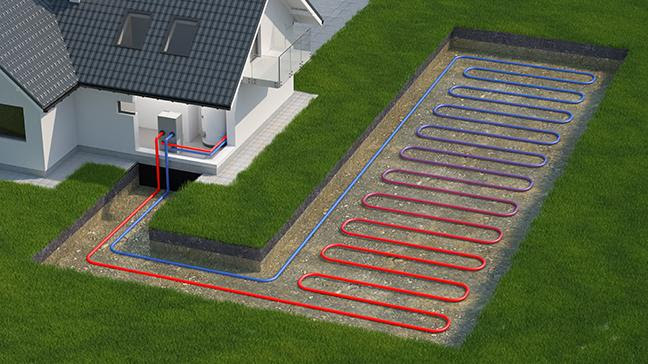
Meanwhile, the IRA’s Rural Energy for America program is helping farms and small businesses across the Southern Tier invest in energy efficiency upgrades and clean energy projects for affordable energy they can generate on their own land.

Key to Private Investment Growth

Throughout our region and the nation, clean energy projects are delivering economic growth and hundreds of new jobs. Since the passage of the IRA, the U.S. has added more than 400,000 new clean energy jobs and seen over $422 billion in private investment. And in New York alone, federal clean energy tax credits have driven $115.47 billion in investments and created nearly 29,000 jobs since they were passed. Here in our region, the impact is clear: new, good-paying jobs in manufacturing, more reliable, locally-produced clean energy, and strengthened economic opportunities in both urban and rural communities. Despite this momentum, some in Washington want to roll back these critical investments. Repealing clean energy tax credits would mean turning away billions in future investment, increasing energy costs for businesses and families, and slowing the progress we have worked so hard to achieve.

That’s why we need Rep. Josh Riley, Rep. Nick Langworthy, and Rep. Claudia Tenney to stand up for Upstate New York and protect the Inflation Reduction Act. Our region is already seeing the benefits, and by maintaining this momentum, we can build a future that is both economically and environmentally resilient. Now is the time to double down on our progress, like the early canal builders, not turn back.

Two Steps Forward, One Step Back

With the Trump administration taking office on January 20, it’s become clear that efforts to stave off runaway climate change will have to focus on state and local policy.

Trump has promised to halt federal support for clean energy technology and electric vehicles, and he has pledged to withdraw the U.S. from the Paris climate accord, reverse a key regulation aimed at reducing emissions from power plants, and roll back other rules aimed at curbing climate change and air and water pollution.

Offshore wind is a crucial component of New York’s attempt to achieve 70 percent of its electricity from renewable energy by 2030. Photo by David Dixon/Walney Offshore Windfarm licensed under CC BY-SA 2.0.

Clean Energy’s Rapid Growth Continues

One bright light, though, is the fact that Trump can slow down progress, but he can’t stop the transformation of the domestic and global economies sparked by the clean energy revolution.

More than 40 percent of all global power in 2023 came from renewable sources, and investments in renewable energy are accelerating because prices have dropped dramatically. In fact, more than 80 percent of new electricity capacity around the world comes from carbon-free sources.

NY’s Leadership Role

Nonetheless, action at the state and local levels will be imperative going forward. With Gov. Kathy Hochul’s signing of the Climate Change Superfund Act, New York has taken on a leadership role that will give the state an opportunity to defy the president-elect’s attempt to reverse climate action. This new law, as explained above, will require the biggest oil and gas companies to contribute to a fund that will be used for infrastructure projects meant to protect New York residents from increasingly dangerous climate disasters like storms and sea level rise.

Another major step in the state’s climate fight took place when Hochul, at the same time, signed into law a prohibition on using carbon dioxide for fracking, closing a loophole in New York’s existing hydraulic fracturing ban (also reported above). This legislation, introduced by Assemblymember Anna Kelles in March, signals a determination to keep the fracking industry out of the state.

These two steps forward should be applauded, while at the same time recognizing the importance of continuing the push on climate action and clean energy in Albany when the state legislature opens its new session on January 8. Efforts to ensure that New York obtains 70 percent of its electricity from renewable energy by 2030, as called for by the 2019 Climate Leadership and Community Protection Act (CLCPA) are especially critical.

Expanding offshore wind, implementing congestion pricing in New York City, eliminating subsidies for new gas hookups as well as the Public Service Commission’s obligation to provide gas service, reducing state tax breaks provided to the fossil fuel industry, putting in place a true cap-and-invest program with guardrails to keep it from devolving into cap-and-trade, increasing the kinds of containers covered by the state’s bottle law, and addressing the issue of plastic packaging are just some of the ways New York can continue to strengthen its leadership role on the climate and clean energy fronts.

At the local level, we’ve seen a disappointing step backward with the continued attempt by Cornell University to install synthetic turf fields on campus. Given the recent finding that 2024 is set to become the hottest year on record, the massive rollout of plastic undertaken by Cornell at its athletic facilities is a bad look, to say the least.

Equally dismaying is the apparently superficial investigation by the city planning board as part of the approval process. The board’s negative declaration of environmental significance, precluding the need for the kind of thorough environmental impact statement (EIS) called for by Zero Waste Ithaca, is hard to fathom in light of existing scientific research outlining the harmful public health and environmental effects of synthetic turf. We can only hope that the lawsuit launched by this activist organization will result in greater transparency regarding the risks involved.