Gov. Kathy Hochul’s ongoing effort to slow key elements of New York’s renewable-energy transition could not come at a more tone-deaf moment. Across the United States, solar and wind power are accelerating at record pace, costs continue to decline, and the clean-energy economy is rapidly becoming one of the nation’s strongest engines of investment and job growth. New York, once positioned as a national climate leader, now seems to be drifting backward.
The contrast is striking.
The Boom in Renewable Energy
In March 2026, renewable energy sources generated more electricity nationally than gas for the first full month in U.S. history. Analysts project that 93% of all new electric-generating capacity added in 2026 will come from solar, wind, and battery storage. Even amid full-scale political attacks on clean energy at the federal level, market forces continue propelling renewables forward because they are increasingly cheaper, faster to deploy, and more attractive to investors than fossil fuels.
Meanwhile, Gov. Hochul has 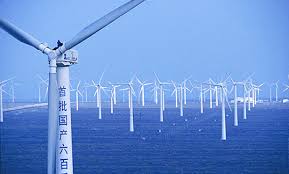 proposed delaying or weakening parts of New York’s landmark 2019 Climate Leadership and Community Protection Act (CLCPA), the law that established ambitious mandates for renewable electricity and greenhouse-gas reductions. Her administration argues that the changes are necessary to address affordability concerns and implementation challenges.
Rising utility bills are a legitimate public concern, especially for working families already stretched thin by inflation. But retreating from renewable energy is the wrong response.
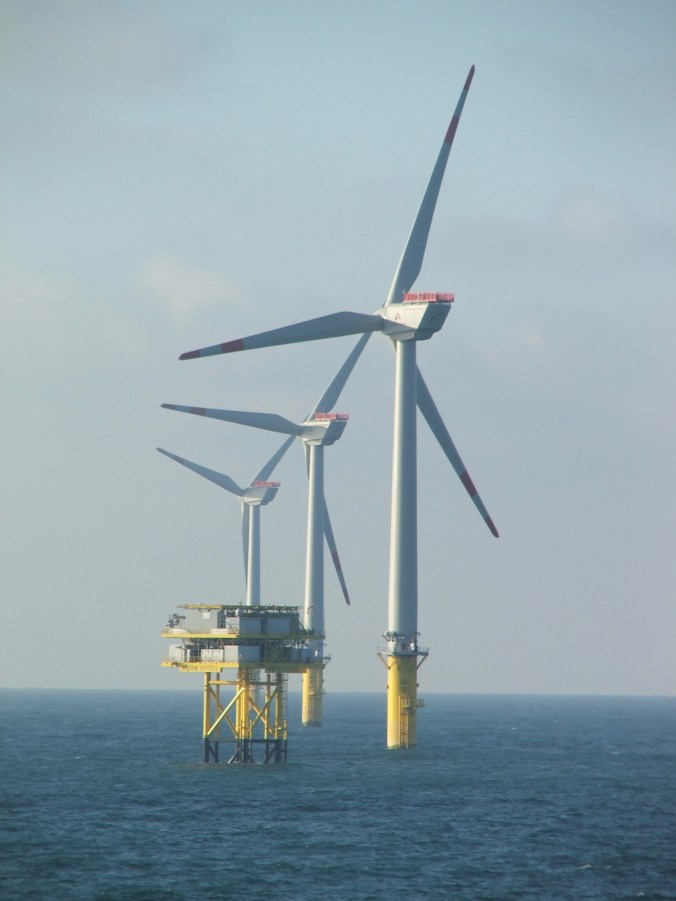
The real problem is not that New York has embraced clean energy too aggressively. The problem is that the state has moved too slowly to build the infrastructure needed to make the transition work. Transmission bottlenecks, permitting delays, regulatory complexity, deferred maintenance, and years of indecision have hindered progress on offshore wind, solar expansion, and grid modernization. Delaying climate targets now risks compounding those failures rather than effectively addressing them.
Pulling Back from Renewables Wrong Move
New York’s clean-energy goals reflect the realities of climate science, economic competition, and public health. Extreme weather, flooding, heat waves, and air pollution already impose enormous costs on communities across the state. Pulling back from renewable energy will not insulate New Yorkers from those costs; it will worsen them over time.
Furthermore, the state risks losing economic leadership at precisely the moment when clean energy is becoming a dominant global industry. Texas, not exactly the most progressive state when it comes to climate action, now leads the nation in wind generation and ranks near the top in solar deployment because it prioritized transmission expansion and streamlined project development. Other states are aggressively competing for manufacturing plants, battery facilities, and renewable-energy investment. If New York signals policy uncertainty, investors and developers will simply move elsewhere.
Ironically, backing away from renewables will ultimately increase energy costs rather than reduce them. Fossil-fuel markets remain volatile and vulnerable to geopolitical shocks. Solar and wind, by contrast, have no fuel costs once installed. Over time, a diversified renewable grid paired with battery storage offers greater price stability and energy independence.
None of this means the state should ignore affordability concerns. It should reassess how costs are distributed, expand energy-efficiency programs, protect low-income households, and accelerate grid upgrades. But there is a profound difference between improving implementation and abandoning ship.
New Yorkers should remember that the state has often provided critical leadership on such progressive reforms as labor protections, environmental stewardship, and public-health reform. The transition to clean energy is another such moment. History will not look kindly on leaders who failed to provide the necessary leadership to facilitate this transition.
Gov. Hochul still has time to change course. Rather than pursuing the foolhardy move to weaken climate commitments, she should focus on fixing the bureaucratic and infrastructure failures that have slowed progress. The clean-energy transition is happening whether New York participates fully or not. The only real question is whether the state intends to take part in that future or just sit on the sidelines.
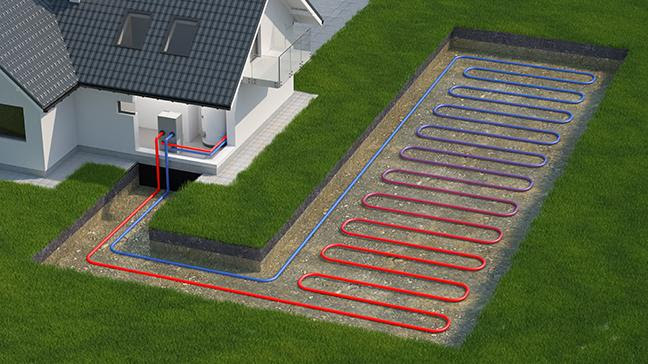 decarbonize the city’s buildings
